Anal fistula surgery is a treatment that offers long-term relief for individuals experiencing recurrent discharge, pain, and infection around the anal area.
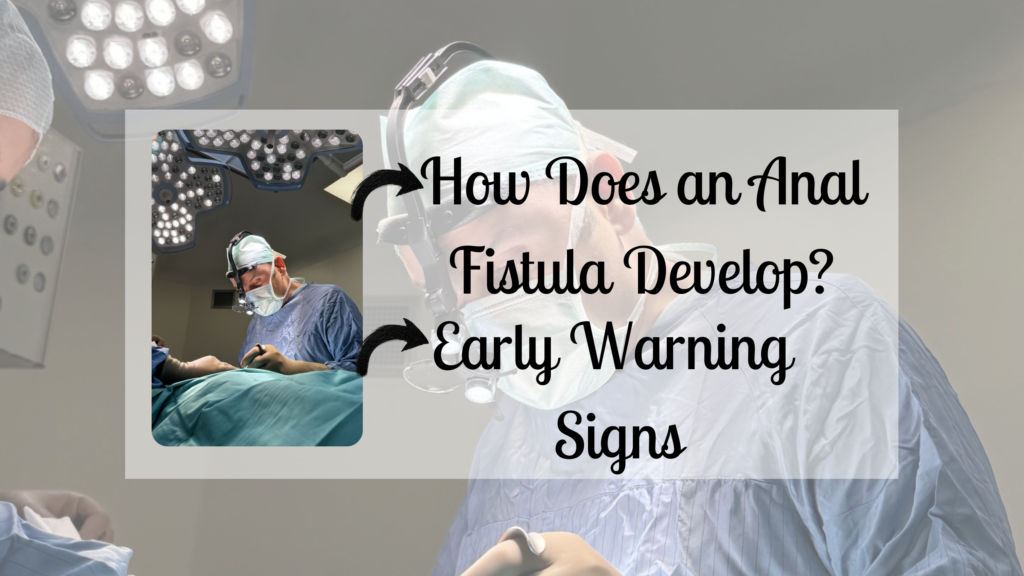
An anal fistula is a small tunnel filled with infected tissue that forms due to inflammation of the anal glands. This tract typically opens outward toward the skin, causing continuous discharge, itching, and occasional swelling. Since it does not heal with medication and often becomes chronic, surgical intervention becomes necessary.
Before the procedure, patients often wonder: “How is anal fistula surgery performed? What is the recovery process like? Can it recur?” Here are the most frequently asked questions and their answers:
1. Can an anal fistula heal on its own?
No. Anal fistulas do not heal spontaneously. Over time, abscesses may recur, additional tracts can form, and the condition may become more complex. Therefore, early evaluation by a general surgery specialist is crucial.
2. Is anal fistula surgery painful?
Modern surgical techniques are much more comfortable compared to traditional methods. Mild pain may occur during the first few days, but it is usually well controlled with painkillers. In flap-based procedures, postoperative pain is minimal.
3. Is there a risk of fecal incontinence after surgery?
This risk is mainly associated with complex fistulas or inexperienced surgical interventions. Today, sphincter-preserving techniques such as LIFT, advancement flap procedures, and seton placement significantly minimize this risk. When performed by an experienced surgeon, the likelihood of incontinence is extremely low.
4. How long is the recovery period after anal fistula surgery?
The duration depends on the surgical technique and the complexity of the fistula:
- Simple fistulas: approximately 2–3 weeks for full healing
- Complex fistulas: 4–8 weeks
Patients undergoing flap repair or fistulectomy are typically discharged the next day and can return to work within a few days.
5. Can an anal fistula recur?
Yes. Recurrence may occur if the fistula tract is not entirely removed or if the underlying infection persists. Recurrence rates vary depending on the technique and fistula structure:
- Simple fistulas: 5–10%
- Complex fistulas: up to 20%
Proper technique selection and sufficient surgical experience significantly reduce recurrence rates.
6. Can an anal fistula be treated without surgery?
Because an anal fistula involves a chronic tunnel structure, it cannot close with medication or herbal remedies. Minimally invasive options such as laser therapy or fibrin glue may be considered, but they have relatively high recurrence rates.
7. What should be considered after surgery?
- Avoid constipation and diarrhea; consume fiber-rich foods.
- Drink plenty of water.
- Sitz baths with warm water accelerate healing.
- Avoid heavy exercise and prolonged sitting during the recommended period.
- Attend all follow-up appointments as advised.
8. Does anal fistula surgery leave a scar?
Simple fistulas usually heal with minimal or no visible scarring. In complex or recurrent cases, localized scar tissue may develop, but this generally does not cause cosmetic concerns. With proper surgical planning and wound care, scarring remains minimal.
9. Is laser treatment for anal fistula permanent?
Laser treatment is becoming less preferred due to its higher recurrence and stricture risk. In long or complex tracts, the recurrence rate may even exceed that of conventional surgery. Therefore, laser therapy should be used cautiously, and more reliable techniques are often recommended.
10. Which conditions are commonly mistaken for an anal fistula?
Anal fistulas can be confused with:
- Anal fissure
- Hemorrhoids
- Perianal abscess
- Pilonidal sinus
A definitive diagnosis requires clinical examination and imaging, particularly MRI.
Anal fistula is a chronic condition with a high likelihood of recurrence without proper treatment. Therefore, the decision for surgery should always be made after a thorough evaluation by a general surgery specialist. Selecting the appropriate technique and ensuring the procedure is performed by an experienced surgeon both reduce recurrence and support a smoother recovery.