A perianal fistula (anal fistula) is a common condition in the anal region and can significantly reduce quality of life. It usually develops after a previous anal abscess. An abnormal tunnel forms between the inside of the anal canal and the skin. This tunnel causes persistent discharge, pain, swelling, and recurrent infections.
The disease does not heal on its own, and surgical treatment is the only definitive solution.
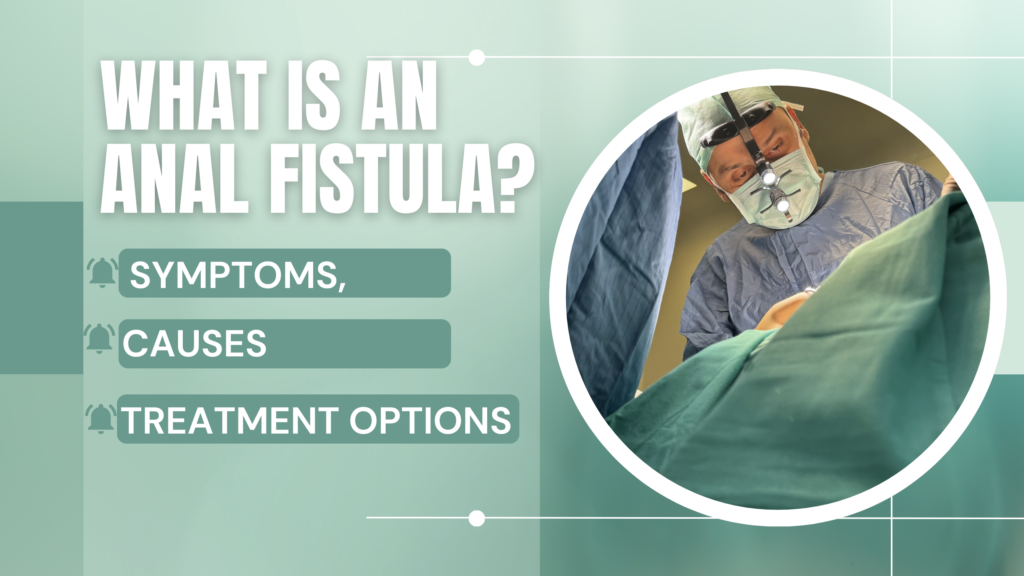
What Is an Anal Fistula?
A perianal fistula is a small tunnel that forms between the anal canal and the skin. This tunnel allows internal infection to drain to the outside.
Patients commonly present with:
- Persistent discharge and moisture
- Foul odor
- Recurrent abscess formation
Symptoms of Perianal Fistula
Common anal fistula symptoms include:
- Discharge and moisture around the anus
- Episodes of swelling and pain
- Staining of underwear and bad odor
- Occasional bleeding
- Recurrent anal abscesses
These symptoms may resemble hemorrhoids, anal fissures, or other anorectal conditions, which is why evaluation by a general surgery/proctology specialist is essential.
What Causes a Perianal Fistula?
The most common cause of perianal fistula is a previous anal abscess. Other causes include:
- Chronic inflammatory bowel diseases such as Crohn’s disease
- Tuberculosis or other rare infections
- Conditions that weaken the immune system, increasing the risk of fistula formation
How Is Perianal Fistula Diagnosed?
Diagnosis is usually made through clinical examination:
- A small external opening may be visible on the skin
- Digital rectal examination and anoscopy help identify the internal opening
- In complex fistulas, MRI or endorectal ultrasound may be required
Perianal Fistula Treatment – What Is Anal Fistula Surgery?
Perianal fistulas do not resolve on their own. The only definitive treatment is surgery.
For simple fistulas, the tract is opened and cleaned (fistulotomy). According to patient reviews and expert experience, success rates are high.
For complex fistulas, techniques that preserve the anal sphincter are used, such as:
- Seton placement
- Advancement flap procedures
- Tissue adhesives
These approaches treat the fistula while minimizing the risk of fecal incontinence.
We apply sphincter-sparing surgical techniques (no muscle damage) in suitable patients. Contact us through our communication channels for more information.
Postoperative Care After Perianal Fistula Surgery
Recommendations for patients after fistula surgery include:
- Warm sitz baths
- Regular wound care and dressing
- High-fiber diet and adequate fluid intake
- Scheduled follow-up visits
Frequently Asked Questions
Can anal fistula recur after treatment?
Yes. Recurrence is possible, particularly with complex fistulas. However, the risk can be minimized with the correct surgical technique.
What happens if a perianal fistula is left untreated?
Untreated fistulas cause persistent discharge, recurrent abscesses, tissue damage, and formation of additional tracts. Over time, treatment becomes more difficult.
Can a perianal fistula turn into cancer?
Although very rare, long-standing, chronic, untreated fistulas have been associated with malignant transformation. Therefore, the condition should not be neglected.
What is the difference between an anal abscess and a perianal fistula?
An anal abscess is an acute, painful collection of pus. A perianal fistula develops when that abscess drains and forms a persistent channel between the anal canal and the skin. In short, an abscess is acute, while a fistula is a chronic condition.