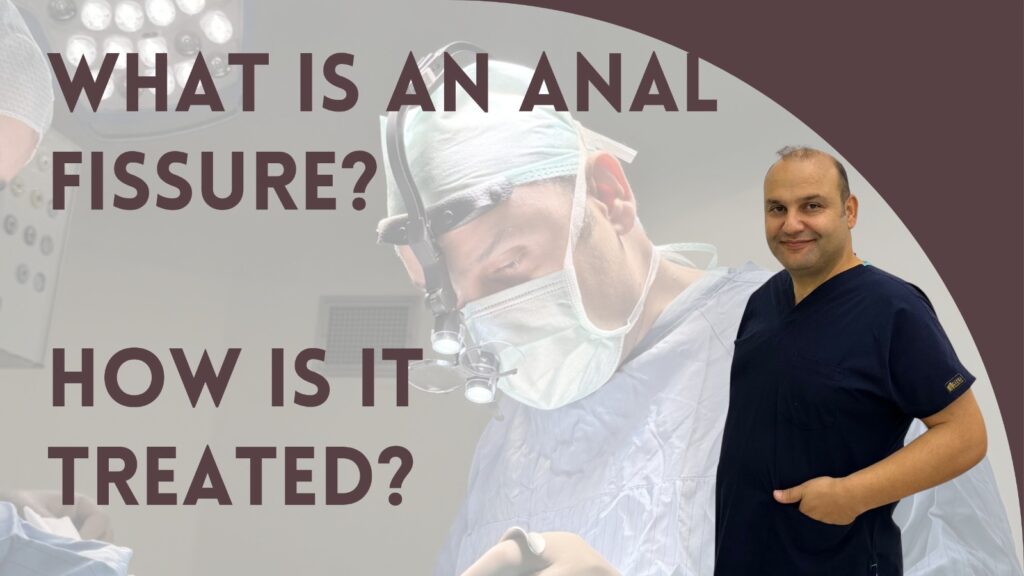
An anal fissure is a common anorectal condition that presents with sudden pain and bleeding during bowel movements, significantly reducing quality of life. Many people ignore this problem thinking, “It’s a simple issue, it will go away on its own.” However, if left untreated in the early stage, the fissure can become chronic, making treatment more challenging. This condition occurs in both women and men at similar rates, can appear in different age groups, and is often mistaken for other anorectal conditions such as hemorrhoids. So, is it possible to get rid of this condition permanently?
What Is an Anal Fissure?
The question “What is an anal fissure?” commonly arises among individuals experiencing severe pain during defecation. Medically known as an anal fissure, this condition refers to small but deep tears in the skin of the anal canal. It typically develops due to factors such as constipation, prolonged diarrhea, passage of hard stool, or frequent bowel movements. In the initial stages, it can be treated with simple medications, but as it progresses, surgical intervention may become necessary. Timing of treatment plays a crucial role in this process.
Symptoms of Anal Fissure
Although symptoms of an anal fissure are similar among patients, their severity may vary. The following signs may indicate the presence of an anal fissure:
• A burning or tearing sensation like a glass cut during bowel movements
• Noticeable bleeding on the stool or underwear
• Swelling, tenderness, and itching around the anus
• Persistent pain lasting long after defecation
• Skin tags and irritation developing over time
If these symptoms appear, consulting a specialist without delay is essential. Early diagnosis shortens and improves the effectiveness of treatment.
Causes of Anal Fissure
The question “What causes an anal fissure?” is another common concern. Constipation is the most common cause. Straining excessively to pass hard stool leads to tearing of the anal skin. Likewise, prolonged diarrhea increases irritation in the area, causing fissure formation. Insufficient water intake, low-fiber diet, delaying bowel movements, and certain inflammatory bowel diseases are also among the causes of anal fissures. When these factors combine, the anal area becomes more sensitive and prone to tearing.
How Is an Anal Fissure Diagnosed?
“How is an anal fissure diagnosed?” is also frequently asked. Diagnosis is generally made through a physical examination performed by a specialist. If a visible tear is present, diagnosis becomes straightforward. In some cases, when the fissure is not clearly visible, advanced tests such as endoscopic imaging may be required. During diagnosis, the depth of the fissure and whether it is chronic are also determined. This information guides the selection of the appropriate treatment method.
How Is an Anal Fissure Treated?
The stage of the condition is the key factor in anal fissure treatment. In the early stage—also known as acute anal fissure—the following treatments may be used:
• High-fiber diet and increased water intake to prevent constipation
• Warm sitz baths
• Topical creams containing nitrates, diltiazem, or local anesthetics
• Vitamin and mineral supplements (Vitamin D, B12, Mg, Zn, etc.)
However, if the fissure has been present for a long time and does not heal with medications, it may indicate a chronic anal fissure. In this case:
• A surgical procedure called lateral internal sphincterotomy (LIS) may be performed.
• This method may sometimes be insufficient and can cause side effects such as gas incontinence.
• As an alternative, flap procedures with lower risk may be preferred.
• Botox injections can also relax the sphincter muscle, but recurrence rates are higher in chronic cases.
Diet and Nutrition in Anal Fissure Treatment
The most effective answer to the question, “What helps an anal fissure?” is proper nutrition. Correct dietary habits support treatment and help prevent recurrence. Foods to avoid include:
• Very spicy foods
• Alcohol
• Excessive coffee and tea
• Milk and dairy products
• Fast-food items (hamburgers, pizza, ketchup, etc.)
Instead, fresh vegetables, fruits, and plenty of water are recommended. Easy-to-digest, high-fiber foods soften the stool and help prevent new fissure formation.
Herbal Remedies for Anal Fissure
Herbal remedies may be used as supportive measures in anal fissure treatment. However, it must be remembered that these methods do not offer a definitive cure. Natural products such as olive oil, aloe vera, and coconut oil may reduce irritation. Still, instead of relying solely on creams or herbal approaches, consulting a qualified proctologist is essential for a permanent solution.
Patient Reviews on Anal Fissure
Experiences shared by individuals who have dealt with this condition can provide guidance for others facing similar problems. Feedback about treatment methods and the healing process is often of great interest. The common factors among those who say “I recovered from my anal fissure” include early diagnosis, appropriate treatment, and proper nutrition. To successfully overcome this condition, professional support is crucial, and treatment must be followed carefully.